
Designers
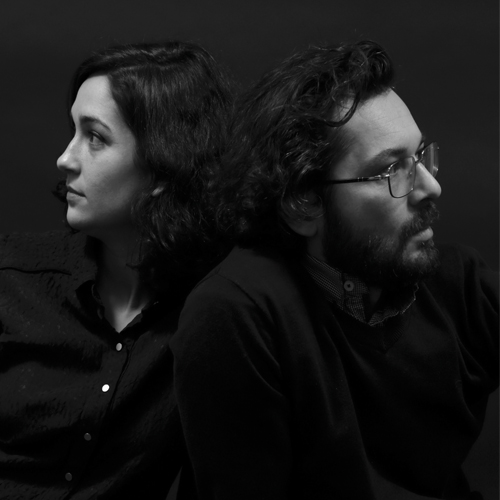
Studio Brichetziegler
Caroline Ziegler and Pierre Brichet created the BrichetZiegler Studio in 2010 after a few yers of work in famous parisian design agencies. Caroline was born in 1980 in Grenoble and was graduated in 2003 from Ecole Supérieure d’Art et de Design of Reims. Born in 1977 in Annecy, Pierre Brichet graduated in 2002 as an engineer at Université de Technologies de Belfort Montbéliard and then as a designer at Ecole Nationale Supérieure des Arts Décoratifs in Paris in 2005. The duo built up through exchange and dialogue to make an open think tank, where poetry, materials and forms express with sensitivity. They were awarded the VIA Project Assistance Grants in 2011 and 2012, and work with french and international design companies such as Oxyo, Axurbain, Y a pas le Feu au Lac, CIAV Meisenthal, Hartô, Way Point, Sancal. They also realize scenography projects and interior design, and launch a new experience at the begining of 2015, the brand Studio BrichetZiegler By Hands.
Marino Cagnatel
Nato a Venezia, (1945-2012) frequenta l’Istituto d’Arte diplomandosi al Magistero in arti grafiche. Si avventura inizialmente nella progettazione di lampadari in una piccola fabbrica del veneziano, dove concretizzerà la propria creatività, approfondendo la conoscenza delle proprietà e delle lavorazioni delle materie prime, manifestando, da subito, la sua indole di “artista” e, al contempo, “artigiano”. Proseguirà lavorando in proprio, collaborando con numerose fabbriche italiane e con le storiche vetrerie di Murano, fino a stringere durature collaborazioni anche con realtà estere, in particolare in Grecia e Spagna. Interprete della luce, in perenne ricerca di ispirazione, sapeva adattare sempre il proprio stile alle esigenze del mercato, sostenendo, da vero designer “vecchia scuola”, che le idee nascono sempre sulla carta, dove linee e forme sono destinate a diventare materia e luce.
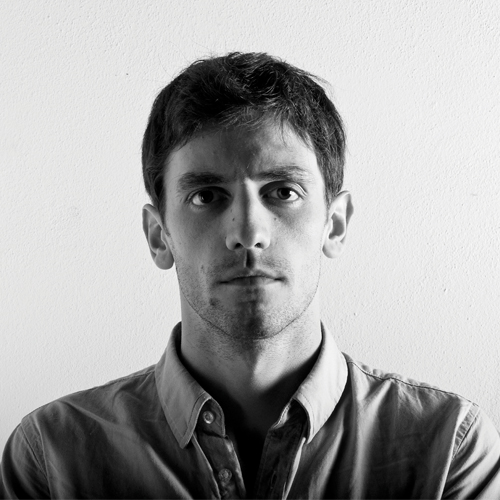
Tommaso Caldera
Born in 1986, he’s been graduated in Industrial Design at the Design Department of the Milan Polytechnic. Between 2008 - 2012 he’s been working as Junior and Senior Designer at Odo Fioravanti Design Studio, moving later in New York at Jonathan Olivares Design Studio. In 2012 starts the collaboration with Italian design company, in the same year first products as a freelance designer has been shown at the Salone del Mobile. On September 2013 he’s been selected by the Italian Cultural Institute in New York as Top Young Industrial Designer. Dori lamp, realized for Contempo, has been shortlisted for the Young&Design 2014. The design studio, based in Pavia, works on product design field in all its declinations for Italian and international companies.

Sara Ferrari
After her studies in Industrial Design Sara Ferrari moved to London where in 2009 she founded Sara Ferrari Design gaining worldwide recognitions since the very beginning. After her return to Italy in 2011, when she was awarded with a special mention from the YOUNG&DESIGN award for her project BACO, Sara began working with different Italian brands. In October 2013, she started a research project on the subject “design and emotions” at Delft University of Technology, where she also ran different courses including one in collaboration with Alessi. While in the Netherlands, Sara kept working for Italian companies such as Olimpia Splendid, for which she designed “MIA”, a pellet stove awarded with the GOOD DESIGN AWARD from the Chicago Athenaeum. Her work has been displayed and sold in various institutions including the Triennale Museum in Milan, The Somerset House in London and The Peel Gallery in Texas. She is currently living between Milan and The Netherlands.

Paolo Franzin
(ITA) Si laurea in architettura a Venezia nel 1997, nel 2003 apre un proprio studio occupandosi di disegno industriale. Collabora con aziende prevalentemente nel settore dell’illuminazione ma non solo; in particolare approfondisce tematiche legate al vetro e alla sperimentazione sia su materiali tradizionali che innovativi verificandone la loro combinazione.
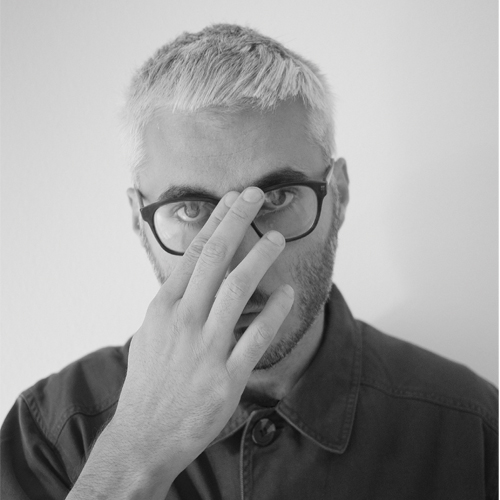
Alessandro Gnocchi
Alessandro Gnocchi, born 1981, attended Industrial Design courses in Milan. After a few years working with Milanese design establishments and as a personal assistant in a design studio, started his own practice in 2010 focusing on furniture and consumer products. Much interested in how things work tries to formulate ideas in simple and intuitive ways, with deep knowledge of manufacturing processes and profound regard of shapes and functions. The perpetual calendar Picchio he designed with Luca Spagnolo has been selected to be on show at the 7th edition of the Triennale Design Museum, curated by Beppe Finessi. Other exhibitions: Degni di Nota - Milan 2012, Slow Design Exhibition - NYC 2013, The New Italian Design - San Francisco 2014, Dopo gli anni Zero. Il nuovo design italiano - Milan 2014, Design from Italy - Stockholm 2015. He has been working, among others, with Belca srl, Casamania, Ecozema, Moleskine, Tobeus, United Pets, Viceversa, Waypoint.

Claudio Marturano
Nasce a Venezia e, allievo di Carlo Scarpa, lì si laurea in architettura allo IUAV.
Fin dall’inizio si dedica all’architettura d’interni, alla grafica ed al disegno industriale del mobile, del complemento d’arredo e dell’oggetto.
La sua carriera professionale prende avvio da un grande interesse per il design del vetro e dell’illuminotecnica, in particolare, approfondisce le tematiche inerenti alle tecniche di produzione del vetro: dalla realizzazione manuale ai pezzi unici, in collaborazione con vari maestri di Murano, alla realizzazione di prodotti artigianali e semi - industriali nel distretto di Empoli e di Colle Val d’Elsa, fino alla collaborazione con industrie del vetro toscane e della Val Bormida per la realizzazione di contenitori, oggetti d’uso e vetri per l’illuminazione.
Nel suo percorso progettuale, si misura con le tecnologie d’altri materiali quali il cristallo, la porcellana, la ceramica, i metalli e le resine, spesso facendo interagire le varie realtà artigianali ed industriali che concorrono alla realizzazione del prodotto disegnato.
Ha collaborato e collabora progettando linee di prodotto e spesso come direttore artistico con aziende come: Artemide, Aureliano Toso, Bieffeplast, Caldier, Cenedese & Albarelli, Colle Cristallerie, Effezeta, Flaver, Formia-Vivarini, ITre, Pitti Vetro, Porcellane San Marco, Open Kristallux, Simone Cenedes, Valenti, VeArt, Vetreria Etrusca, Vilca, V.Nason & C.
Ha partecipato a varie mostre con realizzazioni in vetro, ceramica e porcellana sia in Italia che all’Estero.
Alcuni suoi oggetti fanno parte della collezione permanente del Museo Vetrario di Murano.

Chiara Moreschi
Chiara Moreschi studied at the Faculty of Design of the Milan’s Politecnico, and she deals with industrial design since 2005. She collaborates with various companies taking care of product design, exhibit and graphic consultancy projects. She held lectures and courses in different schools of design, including the Milan Polytechnic, the University of San Marino, Istituto Marangoni, Naba. Her projects have been selected for various Italian and international exhibitions, including the updated edition of the exhibition The New Italian Design 2.0 curated by Silvana Annichiarico and Andrea Branzi at the Milan Triennale in 2010. In 2011 she was chosen by Persol as a testimonial for the campaign “A Work of Persol” involving artists and designers from all over the world, and she designed the piece “Beauty is Never Useless”, that became part of the private art collection of Persol and have been exposed to the public at art Miami in 2011. Among her clients: Persol, Pinetti, Edizioni Corraini, Waypoint, Max&Co., Tobeus, Outlook Design Italia, Il Coccio, United Pets, Frascio, Magppie.
Sovrappensiero
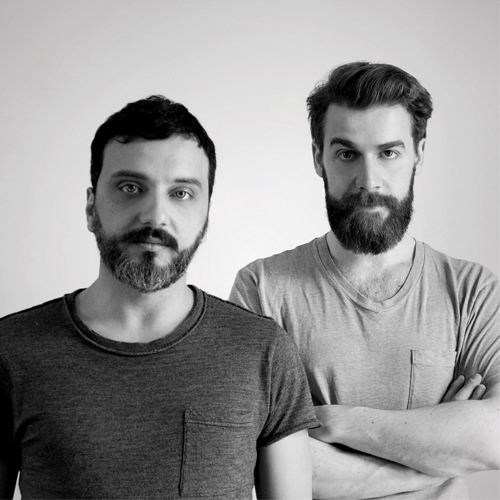
Sovrappensiero Design Studio was born in Milan in 2007 from the creative collaboration between Lorenzo De Rosa and Ernesto Iadevaia. Their first innovative project, “Design for blind people”, is presented at Salone Satellite in 2008 and since then, the path articulated through continuous experimentation, between research and industrial production, to which the duo tenaciously applies their delicate poetic and dreamlike vision. Recognized among the most interesting emerging designers in the Italian landscape, they collaborate with several companies of Italian design as Porada, Incipit, Corraini and Manerba, which authored the research project Office + Retrofit selected for the ADI design Index. In 2014 they won the first prize in the competition “Young & Design”, with the project “Cook” realized for the company Mamoli. Product design is combined with interior design and furnishings, communication and education at the Politecnico di Milano.

Waypoint Studio
La struttura creativa di WayPoint al servizio dell’illuminazione di design per interni: la filosofia di WayPoint è sempre stata quella di rispondere a criteri di semplicità e funzionalità. Lo Studio tecnico Waypoint sviluppa le proprie idee di illuminazione realizzando lampadari e lampade dalle linee suggestive, luci di design che valorizzano gli ambienti e creano l’atmosfera perfetta per illuminare con stile gli ambienti di vita quotidiana.
Studio Mathesis
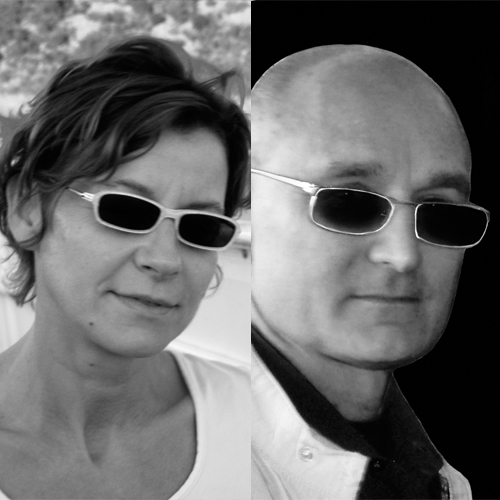
Nato nel 1981, Alessandro Gnocchi si laurea in Industrial Design al Politecnico di Milano. Dopo aver lavorato a stretto contatto con importanti realtà del design milanese e come assistente in uno studio professionale, Alessandro fonda il proprio studio nel 2010 focalizzandosi sul settore dell’arredo e dei prodotti di consumo. Il suo spiccato interesse per la dimensione manuale di prodotti e processi lo porta a formulare idee in maniera semplice e intuitiva, conservando sempre un grande rispetto per la forma e la funzione. Il calendario perpetuo Picchio, disegnato con Luca Spagnolo, è stato selezionato per la settima edizione del Triennale Design Museum, curata da Beppe Finessi. Ha partecipato inoltre a: Degni di Nota - Milano 2012, Slow Design Exhibition - NYC 2013, The New Italian Design - San Francisco 2014, Dopo gli anni Zero - Milano 2014, Design from Italy - Stoccolma 2015. Ha collaborato, tra gli altri, con Belca, Casamania, Ecozema, Moleskine, Tobeus, United Pets, Viceversa e Waypoint.
Matteo Zorzenoni
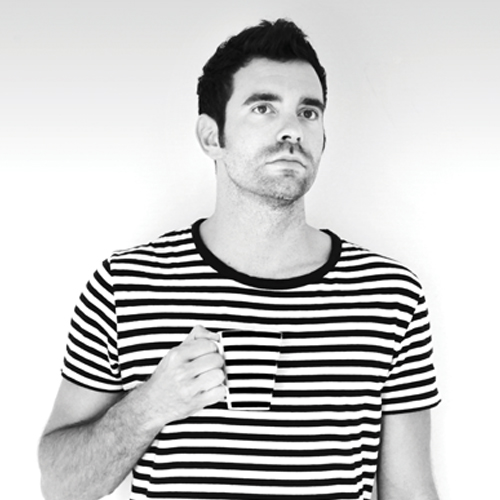
The style that sets him apart and has made him one of the most promising Italian designers is the continuous study of the materials and being able to unlock their unexpected potential, like creating glasses made of concrete, glass structures, liquid metal tables... His projects have been showcased in some of the most important exhibitions worldwide including: Maxxi in Rome, Triennale di Milano, London Design Festival, Centre Pompidou and the Biennale of Architecture in Venice. Zorzenoni has been a lecturer at the University of Architecture of Venice IUAV, is currently working with the IED in Madrid and leads workshops for the Domaine de Boisbuchet (Vitra Design Museum). After a long experience as a consultant for Fabrica (since 2006) he currently works alongside Jaime Hayon following the Italian branch of the studio. In parallel, he continues his research into the world of high-quality craftsmanship and the creation of new projects for clients such as Cappellini, Mercedes Benz, Replay, Alcantara, Benetton, Bosa, Miniforms, Somethingood, Agusta Westland.